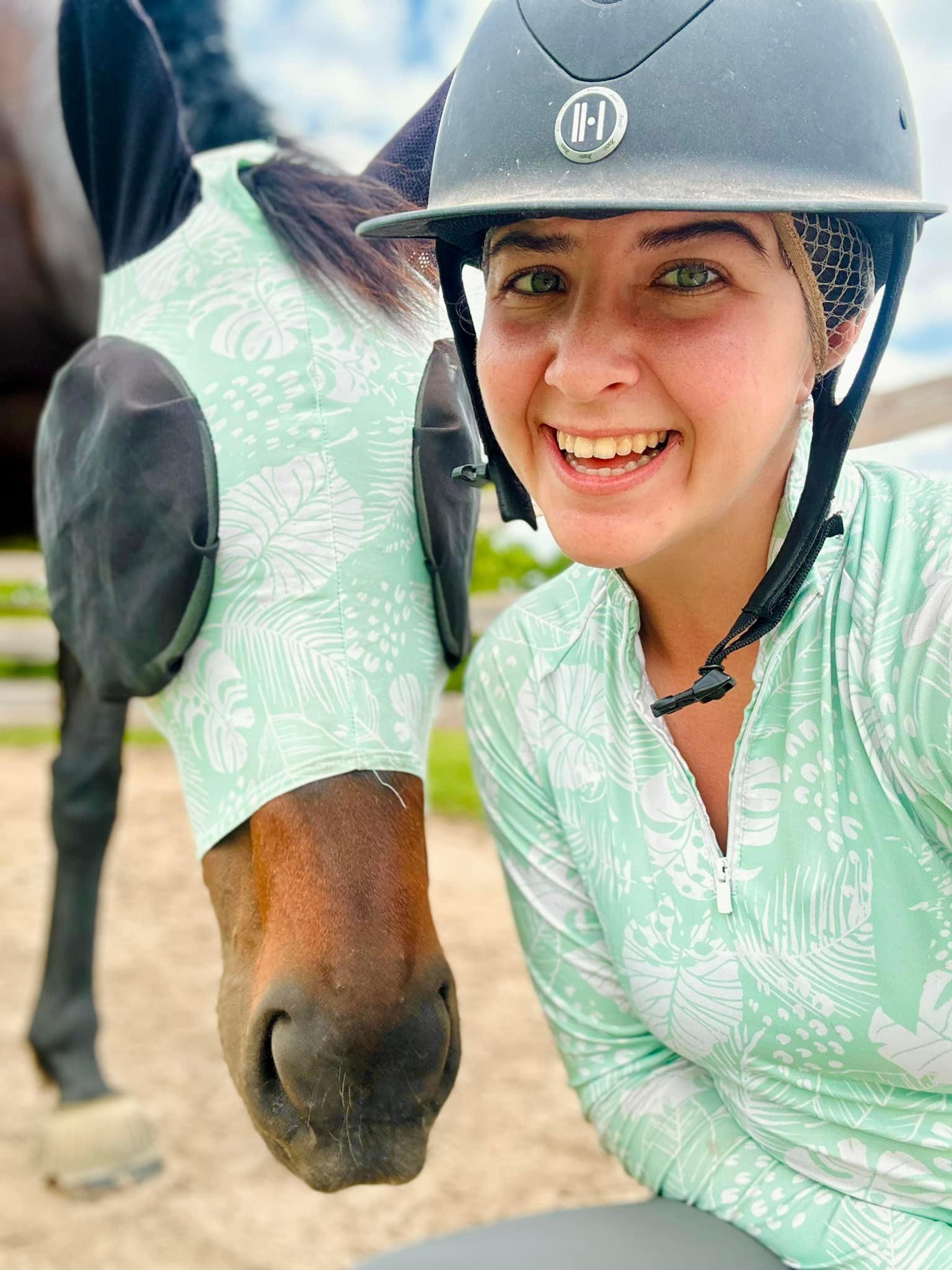
If you moved to Aiken for the horses — or you’re thinking about it — the cross-country schooling access alone is worth the conversation. Within 30 to 45 minutes of town, you can find everything from baby starter logs to full Intermediate courses, in terrain that ranges from flat sand to rolling hills with water complexes, ditches, and combinations that will test any level.
I’ve been based here long enough to have opinions about all of it. This is not a comprehensive directory. This is what I actually tell my students and clients when they ask where to go.
Why Aiken Is Genuinely Good for This
Before I get into specific venues, it’s worth naming what makes this area unusual. The footing here — that deep Aiken sand — is exceptional for horse health and recovery. The winters are mild enough that you can school cross-country year-round without the frozen-ground conversations that limit riders in the mid-Atlantic and Northeast. The eventing community is dense, which means venues are well-maintained because they depend on local use to stay viable.
It also means there are a lot of trainers here who know these venues well and can walk courses with you. That matters more than people think. Knowing a venue — its tricky combinations, where the terrain shifts, how a particular water complex rides versus how it looks on foot — is part of getting the most out of a schooling day.
The Venues Worth Knowing
Bruce’s Field / Highfields Event Park
This is the most commonly used venue for local schooling in the Aiken area, and for good reason. The course covers multiple levels, the fences are well-built and regularly maintained, and the footing is consistent. If you’re bringing a green horse to water for the first time, or you need to work a Training or Preliminary combination ahead of a show, this is a reliable choice.
The terrain has some roll to it, which is useful. Flat cross-country is easier to navigate but doesn’t teach horses (or riders) how to adjust their canter going into and out of slopes. Getting mileage over varied ground early matters.
Best for: All levels, green horses to Preliminary. Good water complex options.
Stable View
Stable View is a full event venue that hosts recognized competitions, and when it’s open for schooling, it’s worth taking advantage of. The courses are built to recognized standards, which means the questions are honest — distances are real, combinations have actual consequences if you’re not organized, and the terrain will show you what your horse needs to work on.
This is not where I’d take a horse for their very first cross-country experience. But if you’re prepping for a recognized event or want to confirm that your horse is genuinely ready for a step up, Stable View gives you that kind of honest feedback.
They also host schooling shows and events throughout the year, which are useful in their own right — getting competition mileage in a low-stakes format before a recognized show is almost always worth it.
Best for: BN through Advanced. Pre-show prep. Confirming readiness for a level.
Longview Farm / Local Private Venues
There are several private farms in the Aiken area that open their cross-country courses to outside riders on a scheduled or by-arrangement basis. These tend to have smaller course setups — often Starter through Novice — but the value here is a lower-pressure environment, smaller groups, and sometimes terrain that’s different from what you’d find at a dedicated venue.
If you’re bringing a horse back from injury, working through a confidence issue, or just want a quiet morning with good fences and no crowd, a smaller private venue can be exactly right.
The best way to find these is through word of mouth. Ask at your barn, ask in the local eventing community, ask your trainer. Aiken’s equestrian community is genuinely interconnected — people know what’s available and who to call.
Best for: Green horses, confidence rebuilding, lower-key schooling days.
Camden, SC (About 45 Minutes Out)
The Camden area — home to Springdale Race Course and the surrounding farms — has cross-country terrain that feels genuinely different from Aiken. More rolling, different soil composition, more varied natural questions. If you’re preparing for an event that’s going to have technical terrain, getting your horse out of the flat Aiken sand and onto different ground is worth the drive.
Springdale hosts the Colonial Cup and has a history as a serious equestrian venue. Getting on that ground before a competition in that area is useful preparation.
Best for: Riders prepping for events with more demanding terrain. Intermediate and above.
How to Get the Most Out of a Schooling Day
A few things I tell every rider I take cross-country schooling, regardless of level:
Walk the course on foot before you ride it. I mean actually walk it — don’t just look at the fence and move on. Stand where your horse will be landing. Walk the distance to the next element in a combination. Notice where the terrain changes. The riders who get the most out of a schooling day are the ones who’ve already ridden it in their heads before they get on.
Don’t overdo the first trip through a combination. Pop it quietly the first time. Let your horse look, assess, and confirm it’s fine. Then come back and ride it with more intent. Overfacing a horse in a schooling situation — especially at a new venue — creates problems that take a long time to undo.
Keep an eye on the footing in summer. Even in Aiken, summer heat can harden sand in sun-exposed areas. Go early, especially in June through August. Your horse’s legs will thank you.
Know your horse’s job for the day before you arrive. Are you there to build mileage? Confirm a specific fence type? Work through a hesitation at water? Having one clear objective prevents the trap of jumping everything on the course until your horse is tired and you’ve overloaded them with questions.
Using a Trainer on a Schooling Day
If you’re relatively new to the area, or new to cross-country at any level, schooling with a trainer the first few times at an unfamiliar venue is not extra — it’s efficient. You’ll get through the course faster, you’ll have eyes on the ground when it matters, and you’ll come away with actual information about what your horse needs versus what you thought they needed.
I take riders cross-country schooling regularly as part of lessons and clinics. We plan the course based on what the horse needs, not just what looks fun, and we debrief after so that the day’s work carries forward into the next weeks of training.
If you’re interested in hearing more about how I structure cross-country development — especially for horses who are hypermobile or managing soundness considerations alongside fitness — I’ve covered a lot of that on The Elevated Equestrian podcast. It’s worth a listen if you’re working through those specific questions.
A Note on Summer Schooling Specifically
It’s June. It’s hot. Aiken summer heat is not a joke, and neither is what it does to a horse’s recovery from a cross-country school.
School early — I mean pre-8 AM if you can manage it. Have a cooling plan ready before you leave the barn (scrapers, ice water, a shaded area to stand). Keep the session shorter and more focused than you’d do in October. Two or three good, well-ridden questions is worth more than a long rambling trip around the course when it’s already 85 degrees at 9 AM.
Your horse can do the work. They just need you to plan the session with the conditions in mind.
Come School With Me
If you’re in the Aiken area and want structured cross-country schooling — or if you’re traveling in and want to make the most of what this area has to offer — I run clinics and private lessons that include cross-country work tailored to where you and your horse actually are.
I work with riders across levels, with particular focus on horses who need careful progression: hypermobile horses, horses building back fitness, horses and riders working through confidence issues. If that’s your situation, I’d rather talk through it before you show up at a venue and hope for the best.
Reach out at /contact and we’ll figure out what makes sense for your horse and your goals.