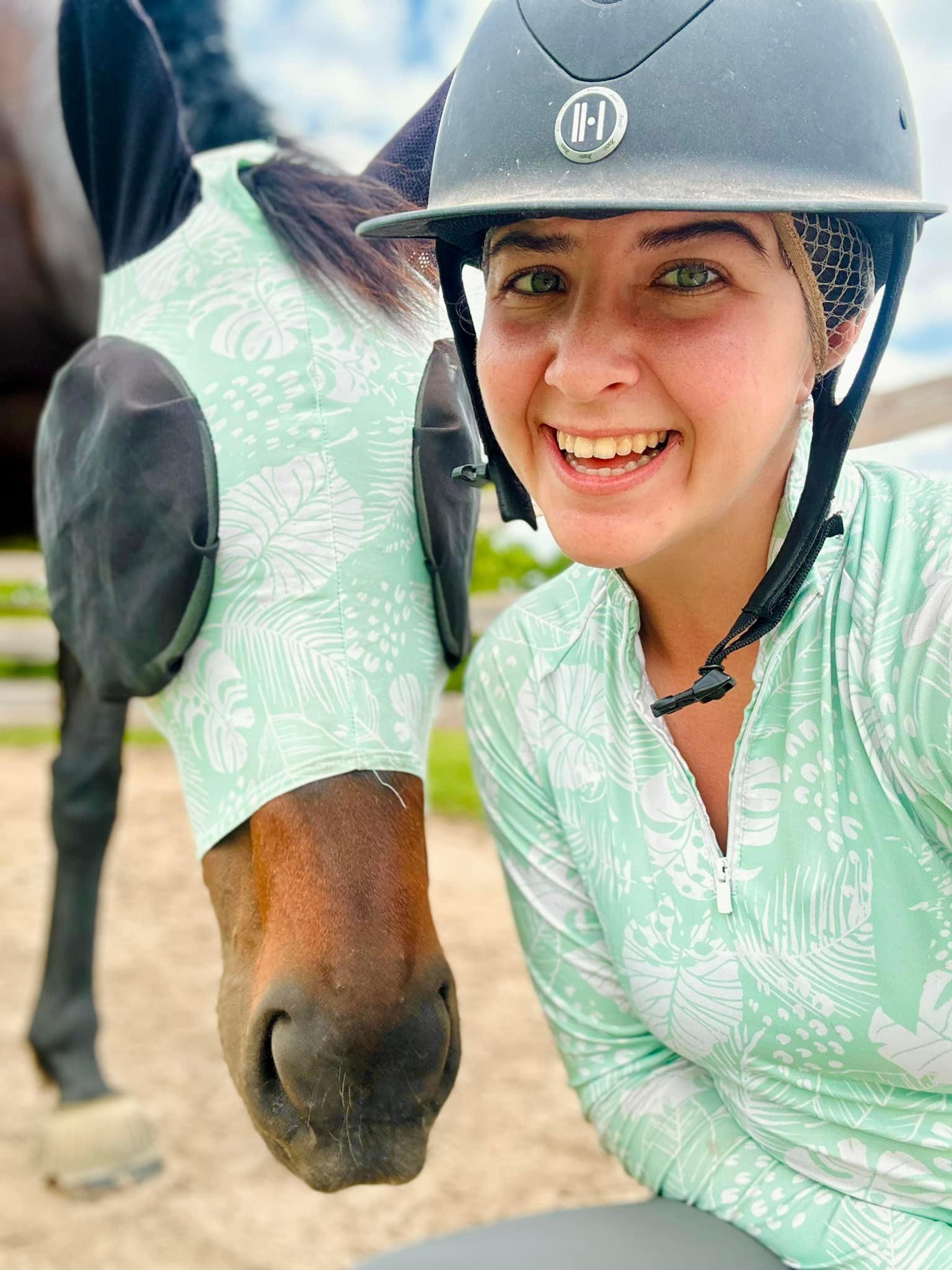
By 6:45 a.m. I’m already behind. The sun is already climbing, the humidity is already sitting on my chest like a wool blanket, and the horses have been calling for breakfast for twenty minutes. This is Aiken in June. This is the reality of training through a Southern summer, and no amount of romantic barn-life content makes it easier.
What does make it easier is having a structure — one that I’ve refined over years of working here in the heat and humidity of the South Carolina lowcountry, making mistakes with timing and hydration and my own energy management, and eventually landing on a daily routine that actually works. Not just for the horses, but for me.
This is that routine.
Why Structure Matters More in Summer Than Any Other Season
In spring and fall, you have margin. You can run late, school longer, catch up in the afternoon, and recover from a slow start. In summer, you have almost none. The window between “this is manageable” and “this horse is overheating and I’m making bad decisions” is genuinely narrow. Every hour of delay costs you something.
Structure isn’t rigidity for its own sake. It’s the thing that keeps you from standing in a field at noon wondering why your horse looks glassy-eyed and why your legs feel like concrete. When the heat takes away your margin for error, the schedule becomes the margin.
The Morning Block: 5:30–10:00 a.m.
5:30 a.m. — First feed, first check
Barn chores start before the sunrise gets serious. I do a quick health check on each horse: gut sounds, manure check, any signs of sweat or distress from overnight humidity. Electrolytes go in with the morning grain for any horse doing real work that day.
I drink a full glass of water before I do anything else. Not coffee first. Water. This sounds small and it’s not. By the time you feel thirsty in this heat, you’re already two steps behind.
6:15–9:30 a.m. — Riding block
This is the non-negotiable window. Everything that requires real effort — conditioning work, technical flatwork, jumping schools, anything that elevates heart rate significantly — happens here. Not 10 a.m. Not “when I get around to it.” Here.
I ride in order of intensity. The horse doing the hardest work goes first, when temperatures are lowest and I still have mental clarity. Green horses or anything requiring patience and problem-solving go second. Easy maintenance rides, walking sets, and recovery horses go last in the block.
For conditioning rides specifically, I keep a close eye on respiratory rate. If a horse’s breathing isn’t coming down within about ten minutes of walking cool-out, that’s a signal. I don’t push past it.
Cool-out and turnout before 10 a.m.
Every horse gets a proper cool-out — real walking, real scraping, real assessment — before going back to their stall or paddock. Hosing with cool water from the legs up, scraping, repeating. Not a token rinse. This is where you actually bring the core temperature down, and it matters.
Turnout for the horses that go out happens before the heat peaks. If they’re not out by 10, they’re better off in a fan-cooled stall until late afternoon.
The Midday Block: 10:00 a.m.–4:30 p.m.
I do not ride in the midday heat. I want to say that plainly because I’ve seen trainers who grind through it and call it toughness. It is not toughness. It is unnecessary risk to the horse’s thermoregulation and your own judgment.
What this block is for:
- Administrative work — lesson planning, schedule coordination, client communication
- Barn maintenance — tack cleaning, equipment checks, anything that needs doing indoors or in shade
- My own recovery — food, water, a real rest if possible. You cannot train horses well when you’re heat-depleted. Your timing goes. Your feel goes. Your patience goes.
- Health monitoring — I walk the barn at least once during this window, check water buckets, check on any horse I’m concerned about
I’ve been talking more about the connection between my own nervous system regulation and how I ride on The Elevated Equestrian podcast. The midday block is, genuinely, part of that practice. You can’t show up regulated for a nervous horse at 7 a.m. if you skipped lunch and baked in the sun until 3.
The one exception
If I have a horse on a very light maintenance schedule — walking sets only, no collection, no jumping — I’ll occasionally do a short hand-walk or in-hand session during midday in a shaded area. But I’m talking about walking a horse that needs movement for therapeutic reasons, not training.
The Afternoon Block: 4:30–7:00 p.m.
The heat breaks — or “breaks” in Aiken terms, meaning it goes from brutal to merely aggressive — somewhere between 4 and 5 p.m. This is when I do second rides if needed, finish any lighter flatwork that didn’t fit in the morning, and handle evening barn chores.
Evening feed goes in with electrolytes again for any horse that worked hard. Water consumption gets checked. Hay nets get topped up. I assess each horse one more time for signs of lingering heat stress: patchy sweating, elevated resting heart rate, unusual dullness.
Fans run all night in hot weather. This is not optional.
What I Actually Eat and Drink (Because It Matters)
A lot of trainer content skips this, and I think that’s a mistake. Your hydration and nutrition directly affect how you ride and how you make decisions with horses.
In summer I drink at minimum 80-100 ounces of water on a barn day, more on days when I’m riding multiple horses or doing physical farm work. I keep a large insulated bottle in the barn aisle and drink from it constantly. I add electrolytes to my own water — basic sodium and potassium — on the hardest days.
I eat before riding, even if it’s just something small. Protein in the morning, carbohydrates before any demanding session. If I’m dizzy or foggy by 9 a.m., something in the morning went wrong.
No alcohol the night before a demanding training day. It wrecks morning hydration and makes the heat hit harder. This might sound obvious but I think it bears saying.
The Things That Actually Make Summer Survivable in Aiken
Beyond the schedule itself, a few specifics that have made a genuine difference:
- Box fans on extension cords in the barn aisle, pointed down the center. Moving air matters far more than “cooling” air in a Southern barn.
- A shade cloth over my outdoor arena on the west side. Not a full cover — I don’t have that — but a section of shade for standing and cooling out.
- A dedicated cool-out bucket with a sponge and scraper at every doorway. The friction of going to find equipment wastes time and means you skip steps.
- A timer for my water breaks, set every 30 minutes. I ignore my own thirst in busy mornings. The timer doesn’t.
- Short horsemanship sessions in lieu of riding when a horse is having a week where the heat or their workload means backing off. Ground work in the shade at a walk still accomplishes something, and it keeps the relationship going without the cardiovascular demands.
The Honest Part
There are days in a Aiken summer where I look at my schedule at 7 a.m. and know I’m not going to get everything done. The heat makes everything take longer — cool-outs, recovery, my own breaks. Some mornings a horse isn’t right and the whole plan shifts. Some mornings I’m not right, and I have to make a call about what I can actually execute well versus what I’m just going to phone in.
Phoning in a ride with a horse that needs you present is not a neutral choice. It can set you back. Better to skip and hand-walk. Better to lunge briefly and end early. Better to be honest about what the conditions and your own capacity actually allow.
That kind of decision-making is its own skill, and summer is where it gets tested most.
If you’re navigating your own version of this — whether you’re a professional juggling a full training load or an amateur trying to stay consistent through the worst months of the year — I talk about the mental and logistical side of this life regularly in my community. Head to /links to find where I’m sharing off-horse content, behind-the-scenes barn reality, and the conversations that don’t always make it into a formal blog post.
Summer is long. Pace yourself.