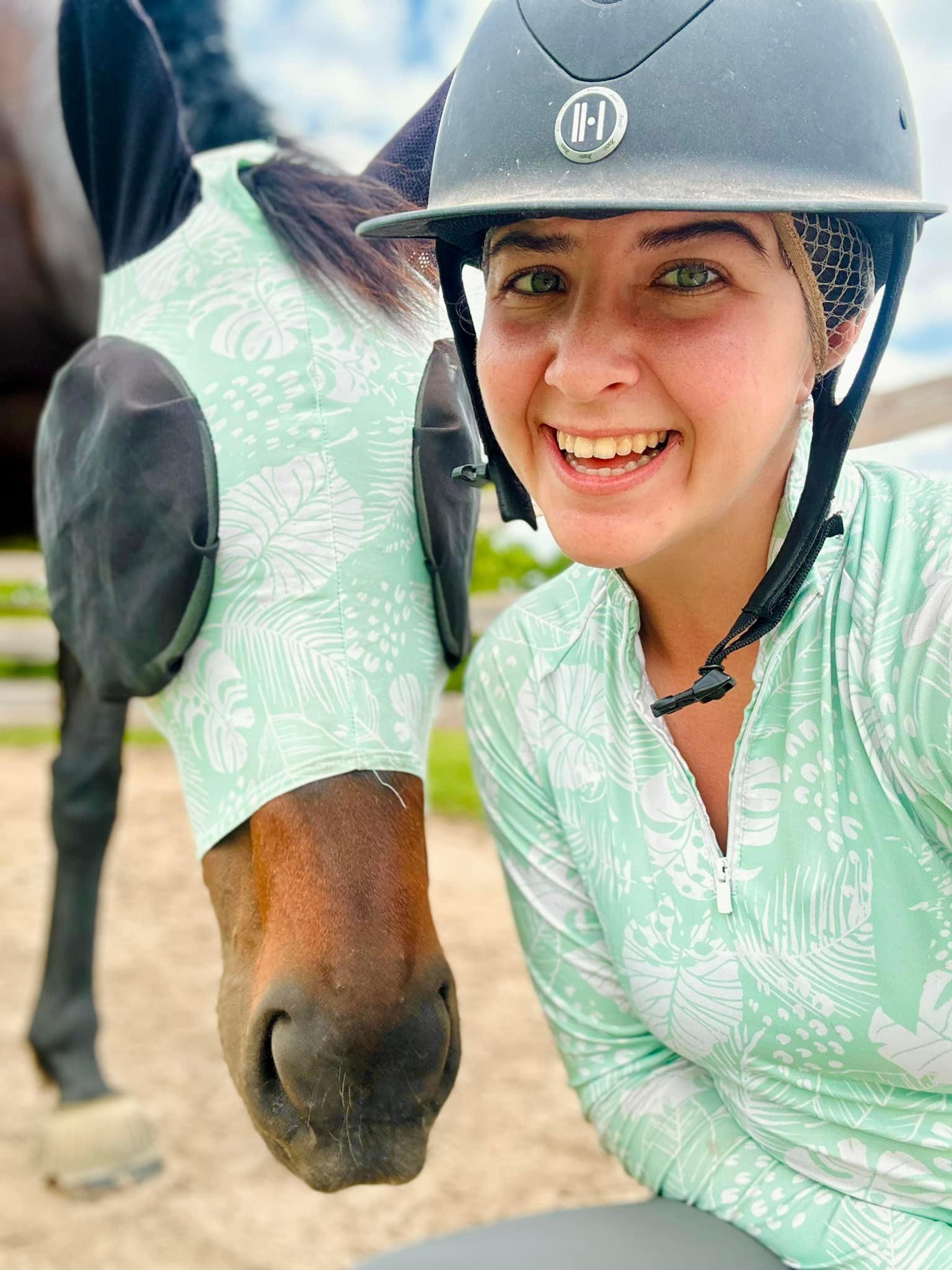
Fly masks are one of those things that seem simple until you’ve bought five of them in one season because they keep getting destroyed, rubbed off, or just… disappearing into the void of the pasture.
I’ve tried a lot of fly masks over the years. Some lasted months. Some lasted days. Here’s what I’ve learned about what actually matters — and which masks are worth your money.
What Actually Matters in a Fly Mask
Before we get into specific brands, here’s what I look for:
1. UV Protection — If your horse has light-colored eyes or a pink nose, UV protection isn’t optional. Look for 70-90% UV blocking.
2. Fit Around the Eyes — The mesh shouldn’t touch your horse’s eyes. If it does, it’s going to rub and cause more problems than flies would.
3. Ear Coverage — Ears are fly magnets. If your horse tolerates ear covers, get them. If they don’t, there are earless options that still work.
4. Durability — Can it survive being rubbed on fence posts, trees, and that one corner of the shelter your horse loves to scratch on? That’s the real test.
5. Closure System — Velcro wears out. Some masks have double velcro or alternative closures that last longer.
Quick Comparison: Best Fly Masks
| Mask | Best For | UV Protection | Ears | Price |
|---|---|---|---|---|
| Cashel Crusader Standard | Best Overall | 70% | Optional | $29 |
| Cashel Crusader Long Nose | Pink Noses | 70% | Yes | $35 |
| Kensington UViator | Maximum UV | 90% | Yes | $38 |
Best Overall: Cashel Crusader Fly Mask
[PHOTO: Cashel Crusader on horse]
The Cashel Crusader is the workhorse (pun intended) of fly masks. It’s been around forever because it just works.
Why it’s my go-to:
- Stays on. Seriously — the fit is good enough that my horses don’t rub them off constantly.
- 70% UV protection
- Available with or without ears, with or without long nose
- The mesh provides good visibility without touching eyes
- Reasonable price for the quality
The downside: The velcro does wear out after a season or two. I usually get 1-2 full seasons per mask, which is pretty standard.
Pro tip: Get the version with ears if your horse tolerates them. Flies in ears = head shaking = miserable horse.
Shop Cashel Crusader with Ears — $29
Best for Pink Noses: Cashel Crusader Long Nose
[PHOTO: Long nose version]
If your horse has a pink nose or is prone to sunburn, the long nose version is worth the extra few dollars.
What’s different:
- Extended mesh covers the nose and muzzle
- Same 70% UV protection, but over a larger area
- Still allows grazing (the mesh doesn’t interfere with eating)
Who needs this: Paints, pintos, horses with chrome, or any horse with pink skin on their face. Sunburned noses are painful and can lead to bigger problems.
I keep one of these specifically for my mare with the white blaze. Regular mask on everyone else, long nose on her.
Shop Cashel Crusader Long Nose with Ears — $35
Best UV Protection: Kensington UViator
[PHOTO: Kensington mask]
If maximum UV protection is your priority — especially for horses with eye issues or extreme sun sensitivity — the Kensington UViator blocks 90% of UV rays.
Why it stands out:
- 90% UV protection (highest I’ve found)
- Textilene mesh is durable and tear-resistant
- Soft fleece trim prevents rubbing
- Double locking closure actually stays shut
The tradeoff: It’s pricier than the Cashel, and some horses don’t love the slightly different fit. But for horses who need serious UV protection, it’s worth it.
What About Fly Masks with Eye Darts?
Some fly masks have structured “eye darts” or “eye bubbles” that create extra space between the mesh and your horse’s eyes. These are great for:
- Horses who hate anything touching their face
- Horses with prominent eyes
- Post-eye-surgery recovery
The Cashel Crusader already has a decent eye bubble built in. If you need more clearance, look for masks specifically labeled as “bubble eye” or “dart eye” style.
How to Make Fly Masks Last
Even the best fly mask won’t last if you don’t take care of it. Here’s what I do:
1. Have multiples. I rotate 2-3 masks per horse. Lets them dry out between uses and spreads the wear.
2. Hand wash occasionally. Dirt and grime build up and break down the mesh. A quick scrub extends the life significantly.
3. Check the velcro. When it starts getting fuzzy and not sticking, you can sometimes trim it or add a velcro repair patch.
4. Remove for wet weather. Wet fly masks = rubbing = bald spots. If it’s raining all day, skip the mask.
The Bottom Line
For most horses: Cashel Crusader is the reliable, affordable choice that works.
For pink noses: Cashel Crusader Long Nose adds protection where you need it.
For maximum UV/sensitive eyes: Kensington UViator offers the best sun protection.
Don’t cheap out on fly masks. A $15 mask that falls off after a week isn’t a deal — it’s a waste. Spend a little more upfront and you’ll actually keep flies (and UV) off your horse all season.
More fly season prep:
Some links in this post are affiliate links. If you buy through them, I may earn a small commission at no extra cost to you. I only recommend products I actually use.